
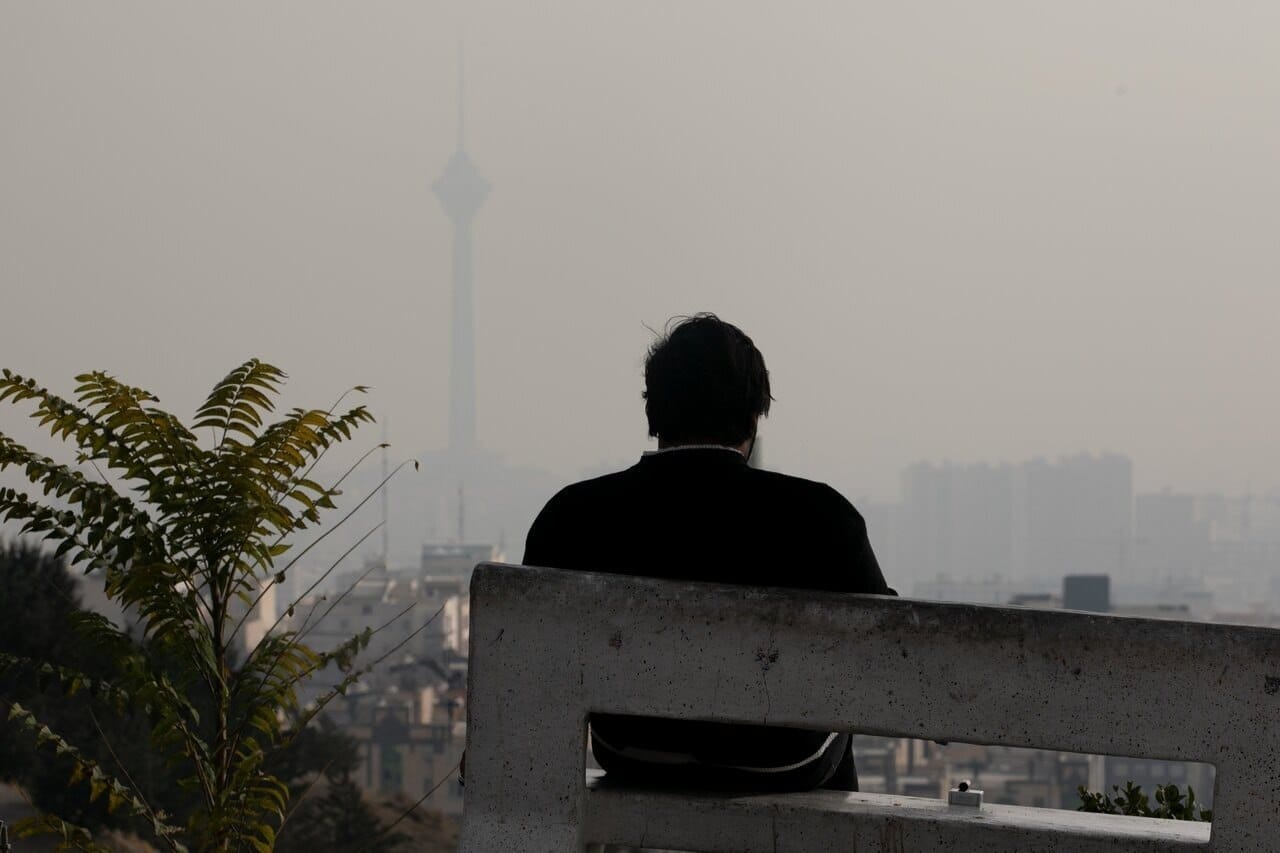
In the opening week of winter, the return of heavy air pollution once again forced the closure of schools in Tehran and triggered traffic restrictions across the capital.
By order of the Tehran Province Emergency Air Pollution Committee, kindergartens and preschools were closed starting Monday, December 23, while elementary schools shifted to online classes. Authorities also enforced the “odd‑even” traffic plan, limiting vehicles’ movement based on license plate numbers.
The situation did not improve during Iran’s weekend (Thursday and Friday in Iran), and restrictions continued into Saturday and Sunday. Similar measures were implemented in the provinces of Isfahan and Alborz.
This marks the second consecutive round of school closures in Tehran due to pollution this year, underscoring the city’s worsening environmental crisis. Overpopulation, low‑quality fuel, aging and substandard vehicles, and emissions from poor-quality power plant fuel have all been cited as contributing factors.
According to Tehran’s Air Quality Control Company, from the beginning of the Persian calendar year on March 21 to December 27, the capital recorded 120 days of unhealthy air for sensitive groups, a 30% increase compared to 85 days recorded over the whole of the previous year. The number of unhealthy days for the general population also rose from 15 to 21, while Tehran experienced two days of very unhealthy air and two days of hazardous air quality, conditions absent last year. With nearly three months left in the Persian calendar year, experts warn the figures may climb further.
Reduced rainfall and dry weather have exacerbated the problem. Meteorologists predict a rain system will reach Tehran on Monday, offering temporary relief, but experts stress that only fundamental policy changes can address the city’s chronic pollution.