
Hamid Mollazadeh
For years, Iran’s economy has been trapped in a familiar and costly paradox: government-controlled pricing and a multi-tier system for key commodities such as foreign exchange and gasoline. What began as a policy tool to shield low-income households from inflation has gradually evolved into a structural burden—distorting markets, draining public finances, and encouraging inefficiency across the economy.
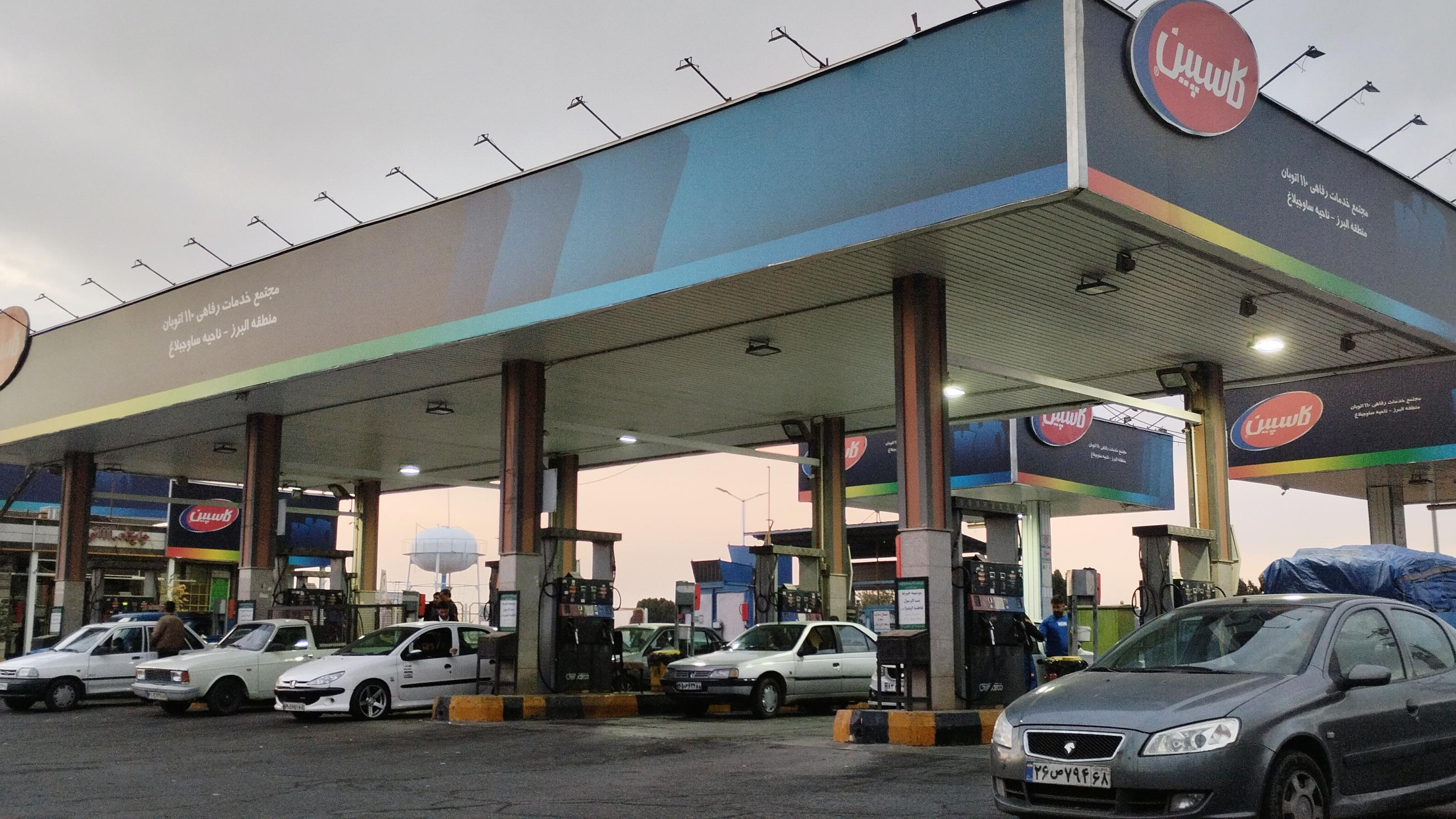
The logic behind dual pricing is straightforward. When the gap between global prices and domestic purchasing power widens, governments often resort to subsidized rates to prevent sudden shocks to household budgets. In the case of gasoline, allocating subsidized fuel quotas has been a way to contain transport costs and avoid social backlash. In the short term, this approach offers a sense of stability and temporary public satisfaction.
But the longer-term consequences have been far more damaging. Dual pricing has fueled rent-seeking and corruption, incentivized large-scale fuel smuggling to neighboring countries, and deepened fiscal imbalances as the state struggles to finance mounting energy subsidies. Just as critically, artificially cheap fuel sends the wrong signal to consumers, discouraging efficient use and locking the economy into wasteful consumption patterns.
Iran has repeatedly attempted to move toward a single, market-based gasoline price, only to retreat in the face of social and inflationary fears. The November 2019 price hike and rationing scheme stands as a stark reminder. Poor public communication and the failure to directly link the gains from reform to household welfare turned the policy into one of the country’s most painful socio-economic episodes—without achieving lasting price reform.
Paradigm Shift
Now, however, a potential paradigm shift is emerging. Policymakers are quietly exploring a move away from “physical gasoline” toward “digital credit.” Under a proposed model, gasoline subsidies would no longer be allocated to vehicles through fuel cards. Instead, the monetary value of the subsidy would be transferred directly to citizens’ bank cards.
In practice, this would mean a single gasoline price at the pump. Consumers would pay the real price for fuel, while households would receive a cash-equivalent credit—based on national ID—into their bank accounts. The familiar first, second, and third fuel rates would disappear. Gasoline would no longer be a rent-generating commodity tied to car ownership, but a digital asset tied to individuals.
If executed properly, the reform could address three of Iran’s most persistent economic challenges at once. First, it would promote social justice. Under the current system, households with multiple cars benefit disproportionately from hidden fuel subsidies, while those without vehicles receive nothing. Direct cash credits would ensure that all citizens, including carless families, share in this national resource—and can choose how to use it.
Second, it could strike at the heart of fuel smuggling. A unified, realistic price would sharply reduce profit margins for illicit cross-border trade, keeping millions of liters of subsidized fuel inside the country.
Third, it may help contain inflation over the long term. While price liberalization is often blamed for inflation, Iran’s chronic budget deficits—driven in part by energy subsidies—are themselves a major inflationary force. By reducing the need to finance subsidies through monetary expansion, the government could ease one of the economy’s key inflation engines.
Moving beyond command pricing and dual-rate systems is no longer optional for Iran’s energy sector. Shifting subsidies from fuel tanks to bank cards may prove to be the bridge that allows reform without undermining household livelihoods—paving the way toward transparency, efficiency and a sustainable single-price system.