
For years, discussions about Iran’s economic future have focused on sanctions, inflation, exchange rates, oil revenues and foreign policy. Yet beneath these short- and medium-term variables lies a far more fundamental factor whose effects emerge slowly but shape the country’s long-term trajectory: demographics. Unlike many economic indicators, population trends are highly predictable over the medium term, making them one of the most important structural forces influencing Iran’s future development.
Population structure affects far more than the size of the labor force. It shapes economic growth potential, government finances, pension systems, healthcare costs, labor market dynamics and even social stability. Any assessment of Iran’s future economic prospects that overlooks demographic trends risks missing one of the most decisive forces affecting the country’s long-term outlook.
According to the United Nations World Population Prospects 2025, Iran’s population is estimated at roughly 92.4 million, while annual population growth has slowed to around 0.9%. This marks a dramatic decline from the 1980s, when population growth exceeded 3% annually. More significant than the slowdown itself, however, is the transformation of Iran’s age structure.
Turning Point
Over the past four decades, Iran has experienced one of the fastest demographic transitions in the world. The total fertility rate has fallen from approximately 6.5 children per woman in the early 1980s to around 1.35 today. This level is well below the replacement rate of 2.1 children per woman, meaning that each new generation is smaller than the one preceding it. Such a decline is not merely a demographic statistic; it represents a structural shift in the country’s capacity to replenish its workforce and sustain long-term economic growth.
The scale of the transformation becomes clearer when examining birth trends. Annual births have fallen from more than 2.1 million during the 1980s to fewer than one million in recent years. As a result, the size of new generations is nearly half that of those born during the baby boom years of the 1980s. This sustained decline has gradually altered the population structure and pushed Iran into what development economists describe as a demographic window of opportunity.
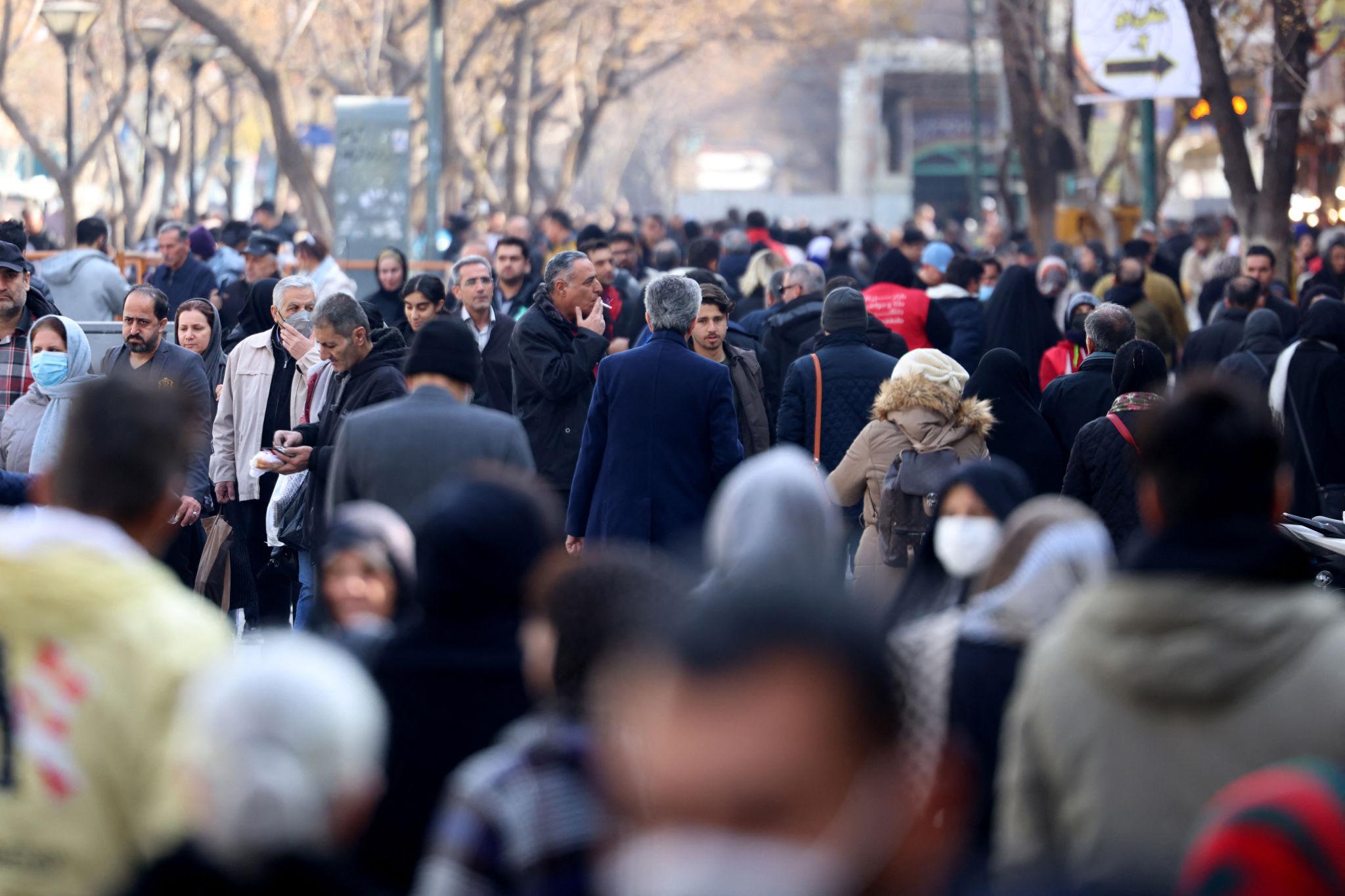
A demographic window occurs when the share of working-age individuals reaches a historic peak while the relative proportion of children and elderly citizens remains comparatively low. Currently, around 69% to 70% of Iran’s population is between 15 and 64 years old. This represents the largest active labor force in the country’s modern history and provides a potential demographic dividend capable of accelerating economic development.
International experience demonstrates that such opportunities can generate lasting prosperity if accompanied by appropriate policies. Economies such as South Korea, Taiwan, Singapore and China successfully transformed favorable demographics into sustained growth through industrialization, productivity gains, investment and integration into global markets. South Korea, for example, entered the 1960s with per-capita income below $100 but eventually reached high-income status by capitalizing on its demographic advantage before population aging took hold.
Missed Opportunity
Iran entered its own demographic window during the 1990s and 2000s. The large generation born in the 1980s, numbering roughly 20 million people, gradually entered the labor market. In theory, this created a historic opportunity for rapid development. In practice, however, demographic advantages do not automatically translate into economic success.
Capturing a demographic dividend requires sustained growth, strong investment, productivity improvements, industrial expansion and the effective utilization of human capital. Over the past two decades, Iran has struggled with chronic inflation, economic volatility, declining investment, international sanctions, institutional uncertainty and the emigration of skilled workers. These challenges have limited the economy’s ability to absorb and employ its growing workforce efficiently.
One indication of this weakness is the relatively low level of investment. Gross fixed capital formation as a share of GDP has generally remained near or below 20%, compared with 30% to 40% in many rapidly growing Asian economies. Consequently, a substantial portion of Iran’s human capital has not been transformed into productive physical assets, infrastructure or technological capacity.
Today, signs suggest that Iran is entering the final stage of its demographic window. The average age of the population, which was below 18 in the early 1980s, has risen to roughly 34 years. International projections indicate that the share of people aged 65 and above, currently around 8% to 9%, could exceed 20% by the middle of the century.
The implications are profound. Economic growth may slow as labor force expansion weakens. Pension systems and public finances will face mounting pressure as large cohorts retire. Healthcare expenditures will increasingly shift toward chronic illnesses associated with aging, including cardiovascular diseases, cancer, diabetes and cognitive disorders. At the same time, labor shortages could emerge in sectors such as healthcare, transportation, technical industries and caregiving services.
Aging Pressure
Iran’s challenge is therefore not simply a changing population size but a transition toward an older age structure before achieving sustained prosperity. Economists often describe this phenomenon as “growing old before growing rich.” While advanced economies accumulated wealth before aging, Iran is moving toward demographic aging while still confronting low growth, budget deficits, pension imbalances, limited investment and continuing human capital migration.
The country’s demographic window has not fully closed, but it is narrowing rapidly. The central question for Iran’s future is whether it can still transform its existing working-age population into productive human capital capable of generating sustainable wealth. The answer may ultimately determine the nation’s development path for decades to come.