
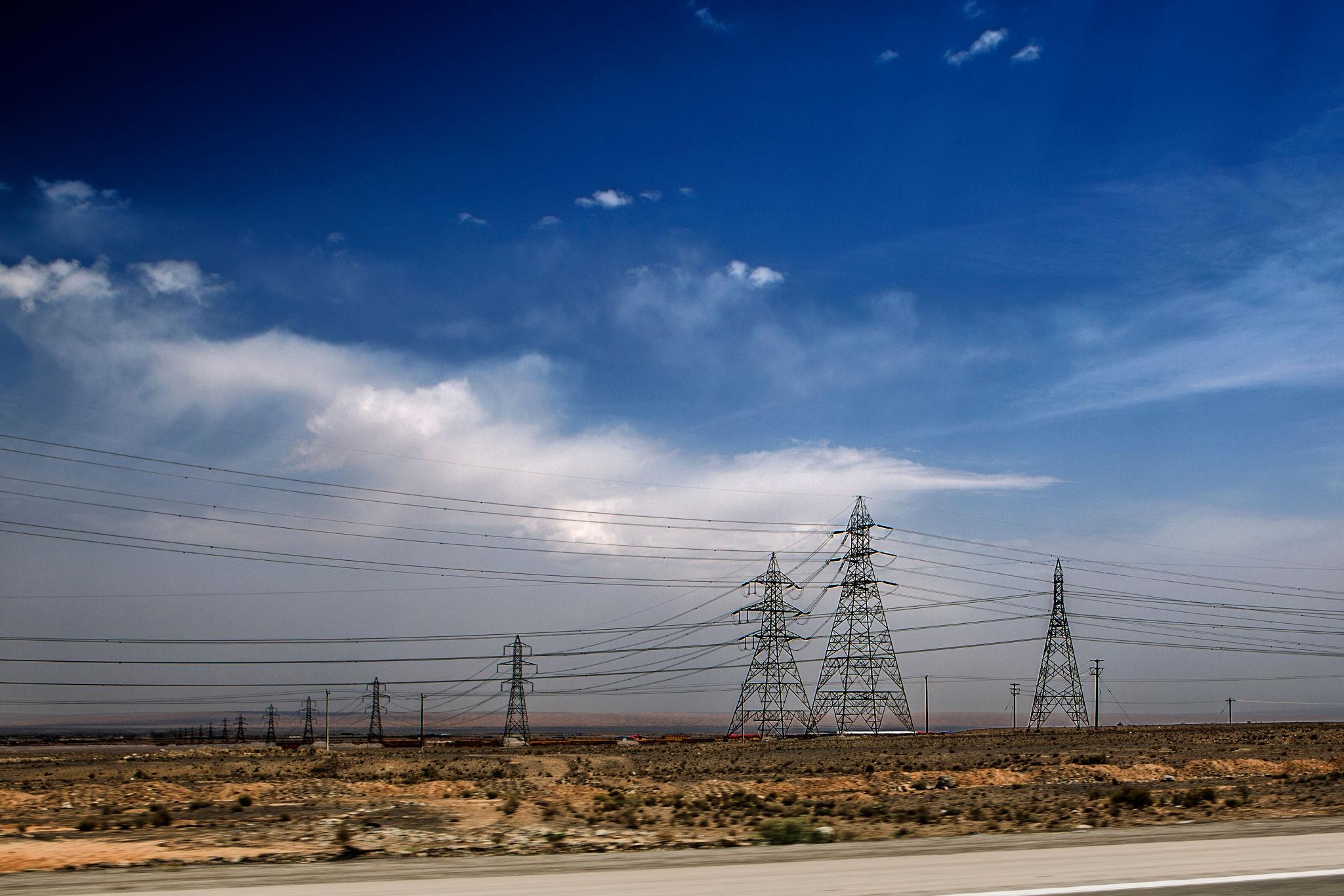
Iran is entering the hottest weeks of summer, with soaring temperatures placing unprecedented pressure on the national electricity grid. As electricity demand climbs sharply, the Energy Ministry is once again urging households to reduce consumption to help maintain grid stability. Energy experts, however, argue that the country's chronic electricity imbalance cannot be resolved through conservation campaigns alone. They believe the real causes of the imbalance lie in low energy efficiency, outdated technologies, limited competition and weak industrial incentives. Without addressing these structural issues, seasonal calls for lower electricity use are unlikely to deliver lasting results.
Officials expect electricity demand to remain exceptionally high during the period from July 6 to Aug. 6, traditionally the most challenging month for the power network. Rising temperatures across most provinces have significantly increased the use of cooling systems, pushing electricity consumption to seasonal highs and raising the risk of supply disruptions during peak hours.
Mostafa Rajabi Mashhadi, deputy energy minister for electricity affairs, said the government has prepared measures to navigate the difficult period but emphasized that public cooperation remains essential. "We have prepared the necessary measures to pass this difficult period," he said. "We hope that with the cooperation of households, industries, farmers and businesses, we can get through this hot month with the fewest possible challenges."
Rajabi Mashhadi described residential consumers as the most important participants in demand management. "We ask people, especially those living in warmer regions, to use one less air conditioner than last year whenever possible. It is a simple but highly effective measure that can greatly help maintain the stability of the electricity network," he said. He also encouraged consumers in other regions to use evaporative coolers where practical and operate them at lower speeds to reduce electricity demand.
A Deeper Problem
Although such recommendations have become routine during every summer, many analysts believe they address only the symptoms of Iran's electricity shortages rather than the underlying causes of the country's recurring power imbalance.
Hashem Oraee, an energy expert and university professor, says improving energy efficiency should become the cornerstone of Iran's strategy for addressing electricity and natural gas imbalances.
"Increasing energy efficiency is an unavoidable necessity," Oraee told the Persian daily Donya-e-Eqtesad. "One would expect the worsening energy imbalance to make efficiency a central element of policymaking, but short-term thinking still dominates decisions."
According to Oraee, policymakers tend to focus on efficiency only during seasonal crises. "In Iran, attention to efficiency is seasonal. Electricity attracts attention in summer and gas in winter, whereas efficiency should be a permanent policy rather than a temporary reaction to crises," he said.
Oraee noted that the global energy sector has entered a new phase in which technological innovation plays a leading role in reducing energy intensity. Nearly all major economies have succeeded in lowering energy consumption per unit of economic output through more efficient technologies, while Iran remains among the few countries where energy intensity continues to rise.
He argues that weak competition has further undermined incentives for innovation. Referring to Iran's automotive industry, Oraee said protected markets have reduced pressure on manufacturers to improve technology, product quality and fuel efficiency. Similar conditions, he added, exist across many electricity-consuming industries, limiting investment in modern equipment and energy-saving technologies.
Oraee also criticized the lack of effective policies to improve the efficiency of household appliances. He proposed making higher energy efficiency a prerequisite for manufacturing licenses while rewarding producers through tax incentives and other economic support measures.
"The objective should be efficiency, not simply saving," he said. "Saving means consuming less, but efficiency means maintaining the same level of production, welfare and economic activity while using less energy."
Oraee added that consumers should not be viewed as the primary cause of the country's energy problems because inefficient technologies, outdated equipment and weak policymaking account for a significant share of excessive consumption.
He concluded that Iran's long-term power imbalance will persist unless policymakers prioritize technological modernization, greater market competition, stronger industrial incentives and energy efficiency instead of relying mainly on seasonal conservation campaigns.