
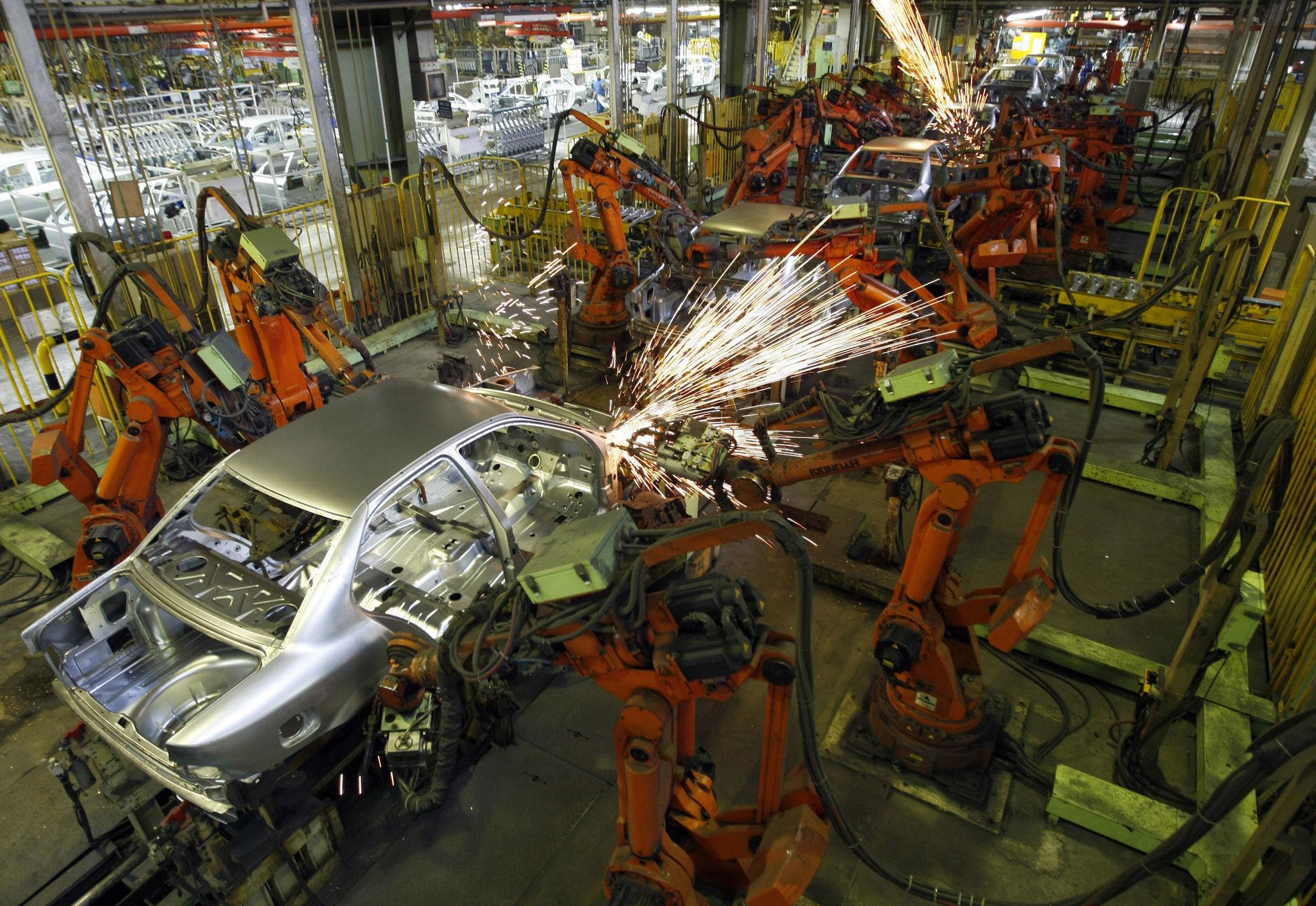
A brief easing of tensions raised hopes for Iranian manufacturers, but renewed hostilities have once again underscored that lasting stability—not temporary political breakthroughs—is the key to production and investment.
The short period of calm that followed the signing of the Islamabad memorandum between Iran and the United States on June 18 offered a temporary boost to business confidence, easing some of the uncertainty that had weighed on production and trade. Although the window was too short to bring structural changes to manufacturing, investment or foreign trade, it showed how even a temporary reduction in geopolitical risks can improve economic expectations.
That optimism faded last week as attacks on Iran resumed, reviving uncertainty across the economy. Business leaders now argue that for industry, the critical issue is not merely the end of conflict or the announcement of a political understanding, but the creation of a stable and predictable environment for production and long-term investment.
Stability Matters More Than Temporary Deals
Ferial Mostofi, First Vice President of the Tehran Chamber of Commerce, said the initial easing of tensions sent a positive signal to businesses and financial markets, but warned that such effects remain limited unless they evolve into a durable agreement.
"Businesses act cautiously under these circumstances," she told Donya-e-Eqtesad. "During the short period when tensions appeared to ease, many companies reviewed purchasing plans, investment projects and international partnerships more carefully. But the period was too brief for firms to make serious long-term decisions."
According to Mostofi, industry and trade require continuity rather than temporary ceasefires.
"What matters for economic actors is not simply announcing an agreement or ceasefire, but ensuring its continuation and providing a clear outlook for the future," she said. "As long as developments can change overnight, producers and investors cannot plan with confidence."
She added that sustained de-escalation could improve firms' access to technology, equipment and raw materials while reducing production costs inflated by sanctions, ultimately boosting industrial competitiveness.
Uncertainty Remains the Biggest Obstacle
Keyvan Kashefi, a board member of the Iran Chamber of Commerce, Industries, Mines and Agriculture, said the private sector initially viewed the post-conflict period with optimism and even established a special committee to prepare economic recovery plans.
The chamber also sought to revive commercial ties with neighboring countries after wartime disruptions weakened regional trade. However, renewed tensions interrupted those efforts.
"The greatest damage to the economy today is instability and unpredictability," Kashefi said. "Manufacturers cannot make decisions about the future. They don't know how long existing inventories of raw materials will last, so they are forced to operate cautiously and below capacity."
He added that disruptions to transport routes and maritime trade corridors have complicated imports of raw materials and exports of finished goods, while weaker demand has further slowed business activity.
Kashefi said the chamber continues providing businesses with updated information, but acknowledged that long-term planning remains impossible until political and security conditions stabilize.
Trade Routes Are Essential
Aria Sadegh-Niat Haghighi, head of the Industries Commission at the Iran Chamber of Commerce, said one of the most significant achievements of the temporary understanding was the reopening of key trade routes, particularly maritime shipping lanes.
"The reopening of these routes created greater confidence among manufacturers while facilitating trade and reducing transportation costs," he said.
During the conflict, companies had been forced to rely on longer and more expensive alternative routes, raising production costs and disrupting supply chains.
According to Haghighi, smooth access to transit networks is essential for importing raw materials, exporting products and maintaining efficient logistics.
"Experience has shown that both war and prolonged uncertainty inflict the greatest damage on production and investment," he said. "Higher risks and instability make business decisions more difficult, ultimately leading to weaker production, lower investment and reduced employment."
Short-Lived Optimism
Although the memorandum lasted only about 20 days, it produced visible, albeit limited, improvements in business sentiment.
Manufacturers became less concerned about supply chain disruptions as shipping routes gradually normalized. Some firms resumed commercial negotiations that had been suspended during the conflict, while previously delayed purchase orders returned to discussion.
Nevertheless, most businesses postponed major investments, production expansion and long-term contracts because they remained uncertain whether the calmer environment would last.
Analysts say the episode highlighted a broader reality: Iran's manufacturing sector suffers less from a lack of production capacity than from persistent uncertainty.
Without confidence that transport routes will remain open, raw materials will arrive on time and trading costs will remain predictable, companies are reluctant to commit capital or expand operations.
The renewed escalation has already weakened the positive expectations generated during the brief truce. As political risks rise again, businesses are delaying investment plans, postponing equipment purchases and approaching international partnerships with greater caution.
For foreign companies, persistent uncertainty also discourages long-term cooperation, limiting Iranian industries' access to technology, equipment and export markets.