
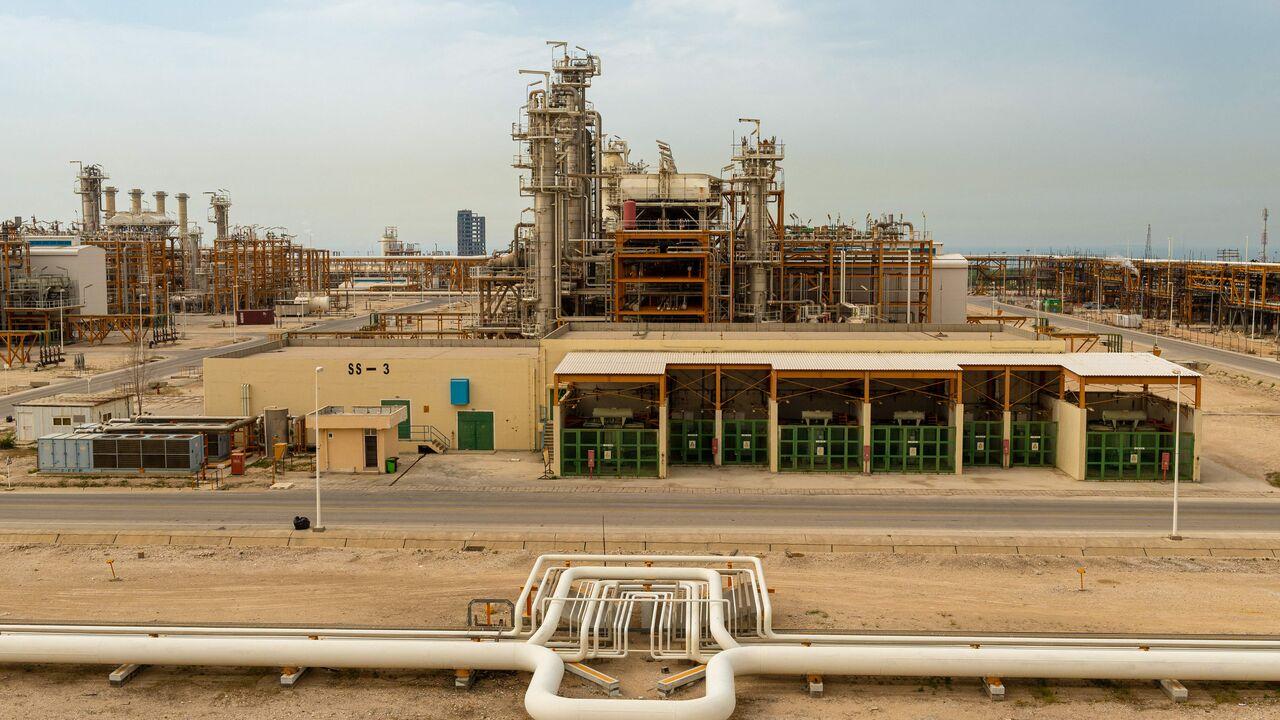
Iran’s acting oil minister has urged faster reconstruction of oil and gas facilities damaged during the war, warning that delays could threaten energy supply, public stability and economic activity. Hamid Bovard made the call Friday at a meeting reviewing reconstruction plans for damaged refineries in South Pars.
Bovard said progress was “favorable” but insufficient given the projects’ strategic importance, and called for greater focus on phases 9 and 10. He argued that rebuilding oil infrastructure should not be treated as routine industrial work: it is a national and strategic action whose value lies in direct effects on national interests and vital services. He said the effort goes beyond implementing industrial projects.
The minister highlighted Iran’s heavy reliance on gas, noting that about 95 percent of the country has access to the network and that any supply disruption can affect daily life. He said the war cost roughly 230 million cubic meters of gas production capacity, while peak-day imbalance reaches about 250 million cubic meters. Some lost capacity has returned and restoration work continues, but cold-season demand could still create winter imbalances.
Bovard said production alone cannot solve the problem. On some winter days, household and commercial gas use reaches about 700 million cubic meters. He called for serious consumption management alongside industry efforts to restore output, and urged the public to help cut household and commercial use by about 20 percent. Simple steps—keeping ambient temperatures normal, wearing warmer clothes and not running all heaters at maximum—could ease pressure, he said. He divided the response into two tracks: raising production, which he said is the oil and gas industry’s duty, and managing consumption, which he said will not succeed without public cooperation. Public participation, he added, is essential.